

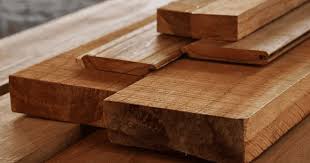
When it comes to furniture buying in 2026, it’s becoming increasingly difficult to distinguish the difference between genuine solid wood and a “fake” piece. Manufacturers are getting very adept in making plastic or thin paper look like real wood. There may be a gorgeous table which looks like oak, however, it could be the result of a sticker placed over compressed sawdust.
If you’re planning to spend your hard-earned cash on high-quality furniture in Karachi, you must know what to look for. You don’t have to be a carpenter to recognize the real deal—using your eyes, hands, or even your sense of smell, you can quickly determine whether a piece is a long-term investment or simply “disposable” furniture.
The Grain Never Lies
The most effective way to identify genuine wood is by looking close to your “grain” or the patterns on the surface. The real wood is like fingerprints, and every part of a tree is exactly identical. If you examine an enormous table and observe the exact same swirl or knot repeating each 12 inches it’s likely to be a laminate or “printed” surface.
Another trick is to focus on the edges. If you have a real wooden dining table design the grain should run naturally from the top of the table down to the edge. If you notice an abrupt line between the top pattern and a new pattern begins at the side, then you’re likely to be seeing “edge banding.” It is a thin piece that is used to cover the unsightly edge of the particleboard. Real wood always shows its “end grain”–small pores and rings that are on the shorter edge of the wood.
Look at the Hidden Spots
The cabinet’s front is designed to appear perfect but the interior and bottom is where the truth is. Furniture manufacturers seldom waste costly materials for parts that are not visible.
- Examine the underside of the table: Go underneath the table, and touch the wood. It should feel rough or natural as the top. If the top surface is made of wood but the bottom is like a smooth piece of brown or plastic It is a veneer.
- Take a look at the back of the cabinet Look at the back of the wardrobe. If it’s a flimsy, thin piece of cardboard or stapled on plywood, then the rest of the item is probably not made of solid wood, either.
- Look for “Core” materials: If you notice an abrasion or chip take a look inside. If you notice “biscuits” of wood or gray dust, it’s particleboard. The real wood will reveal more wood even if it’s scratched.
The Weight and Feel Test
Many people believe that real wood is extremely heavy and heavy, and although that’s generally true, it’s not the only indicator. Good quality plywood can also be weighty. Instead of looking only at the weight, take a moment to feel your way through the “temperature” of the piece.
Natural wood is an insulation material, and therefore is warm and comfortable to touch. If you place your hands on a table made of solid wood it will soon reflect your body warmth. Glass and plastic laminates will be cold and remain colder for a longer period. You can also move your fingers over the surface of the texture. The real wooden boards have tiny pore sizes as well as “valleys” that you can feel using your fingertips. If it’s like the screen of your phone it’s probably coated with a synthetic material.
Construction Tells the Story
How furniture is assembled is a major indicator of its worth. Furniture made of high-end solid wood isn’t held together by nails and glue. You can look to see “Dovetail” joints on the edges of drawers. They appear to be connecting teeth like puzzle pieces or interlocking ones. This is an indication of a craftsman that cares about strength.
Beware of furniture that has “Cam-locks.” They are the rounded metal circles that you find in flat-pack furniture which you can turn using the screwdriver. Wood isn’t really needed since it’s strong enough to support traditional joints. Also, try to move the table. A solid wooden table should feel like a large, solid piece. If it shakes or moves when you press it, it’s composed of thinner, cheaper materials that are beginning to fail.
Trust Your Sense
It may feel unusual to smell furniture in a retail store, but your nose is a surprisingly effective tool. When exploring different bedroom sets design, pay attention to the scent—real wood has a distinct, pleasant aroma. Depending on the type, it may carry a forest-like freshness, a warm note (like walnut), or a rich fragrance (like pine or cedar).
The furniture that is mass-produced usually comes with a “chemical” or “sour” smell. It is due to formaldehyde and the glues used in order to keep the sawdust in place. If furniture is characterized by a powerful, stinging chemical smell that causes your eyes to weep, it’s an indication of poor-quality “engineered” wood. The natural earthy scent is a good indicator you’re looking at the genuine thing.
Final Thoughts
Quality spotting is about being patient and being able to go up to the furniture. Don’t allow an “glossy” finish or an expensive price to trick you into thinking it’s solid wood. Be sure to ask directly: “Is this 100% solid wood, or is it a veneer over an MDF core?” If the answers are unclear that is usually an indication to leave.
